Introdução
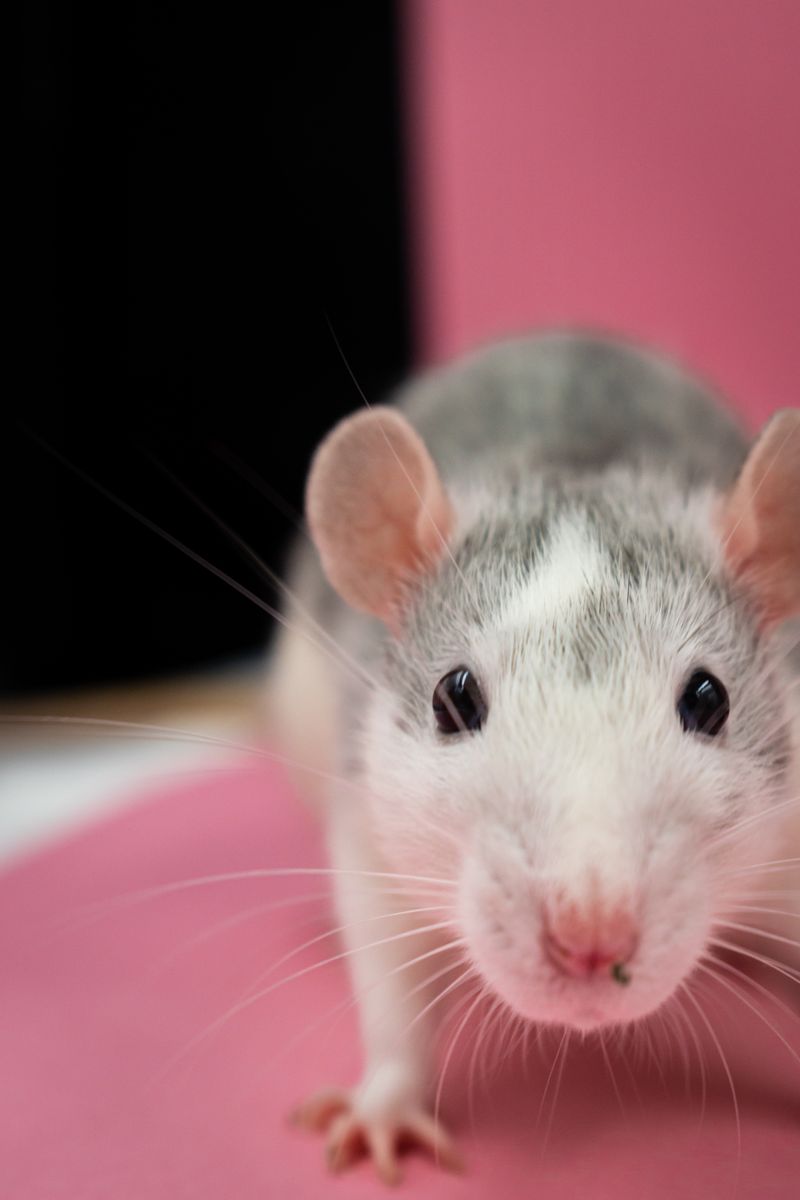
O envio de ratos alimentadores congelados é fundamentalmente diferente do envio de produtos secos padrão ou animais vivos. Ao contrário do transporte vivo, que envolve regulamentações complexas e considerações de bem-estar animal, os ratos alimentadores congelados viajam através do que a indústria chama de cadeia de frio – um sistema de logística com temperatura controlada que mantém o produto continuamente congelado desde o momento em que sai do congelador do fornecedor até chegar à sua porta. Compreender como funciona a entrega da cadeia de frio é essencial para qualquer pessoa que compre comedouros congelados em grande escala, quer administre uma operação de criação de répteis, administre uma loja de animais ou simplesmente mantenha uma coleção de animais de estimação exóticos em casa.
A cadeia de frio não é uma tecnologia única, mas um sistema coordenado de embalagens especializadas, armazenamento refrigerado, protocolos de manuseio de transportadores e precisão de tempo. Quando qualquer elo desta cadeia falha, a qualidade do seu produto se degrada - e alimentar seu réptil com um roedor parcialmente descongelado ou com abuso de temperatura pode levar a problemas de saúde que vão desde problemas digestivos leves até infecções bacterianas graves. Este artigo aborda cada etapa da cadeia de frio do alimentador de congelados, desde o freezer flash do fornecedor até o freezer doméstico, para que você saiba exatamente o que esperar e como verificar se sua remessa chegou em condições adequadas.
Como funciona o transporte da cadeia de frio
A entrega da cadeia de frio para ratos alimentados congelados segue uma sequência cuidadosamente orquestrada. O processo começa nas instalações do fornecedor, onde os roedores são sacrificados humanamente, processados e imediatamente congelados a temperaturas bem abaixo de -40 graus Celsius. O congelamento instantâneo é crítico porque forma cristais de gelo menores dentro do tecido em comparação com o congelamento lento, o que preserva a estrutura celular e evita a degradação da textura que pode tornar a presa descongelada menos palatável para os répteis.
Depois de congelados, os roedores são selados a vácuo ou injetados com nitrogênio em embalagens de qualidade alimentar para evitar queimaduras e oxidação no congelador. Esses pacotes são então transferidos para um freezer mantido a -20 graus Celsius ou mais frio para armazenamento até o envio. Quando um pedido é feito, os pacotes são retirados do estoque e embalados em contêineres de transporte isolados – normalmente caixas de espuma de poliestireno expandido (EPS) ou caixas de papelão ondulado com múltiplas camadas de isolamento reflexivo.
A chave para o sucesso do transporte na cadeia de frio é a massa térmica do próprio produto. Uma caixa contendo 10 quilos de ratos congelados, todos a -20 graus Celsius, leva muito mais tempo para aquecer do que uma caixa com um único quilo. Fornecedores experientes otimizam os tamanhos das caixas e incluem quantidades adequadas de refrigerantes (sejam pacotes de gel ou gelo seco) para garantir que a temperatura interna permaneça seguramente abaixo de zero durante todo o período de trânsito, que normalmente varia de 24 a 72 horas, dependendo do destino e da transportadora.
Padrões de embalagem para remessas congeladas
Todos os fornecedores respeitáveis de ratos alimentadores congelados seguem padrões de embalagem projetados para manter a cadeia de frio por pelo menos 48 horas com uma margem de segurança confortável. A configuração padrão da embalagem inclui diversas camadas distintas, cada uma servindo a uma finalidade específica.
A camada mais interna é a embalagem primária – os sacos ou bolsas selados a vácuo que contêm os ratos congelados. Esses sacos são feitos de materiais com barreira de umidade de qualidade alimentar que evitam a desidratação e protegem contra contaminação. A maioria dos fornecedores embala os ratos por categoria de tamanho, com cada saco contendo uma contagem ou peso específico para que os clientes possam descongelar apenas o que precisam, sem expor todo o estoque às flutuações de temperatura.
Ao redor dos sacos do produto está a camada de isolamento. Caixas de espuma EPS de alta densidade, comumente chamadas de resfriadores, são o padrão da indústria. Essas caixas normalmente possuem espessuras de parede de 25 a 50 milímetros, proporcionando excelente resistência térmica. Alguns fornecedores premium usam painéis isolados a vácuo (VIPs), que oferecem o dobro do desempenho isolante da espuma EPS na mesma espessura.
Entre o produto e o isolamento, os pacotes de refrigerante – materiais de mudança de fase (PCMs) projetados para derreter a uma temperatura específica – mantêm condições subcongelantes. O gelo seco (dióxido de carbono sólido a -78,5 graus Celsius) é usado para tempos de trânsito mais longos ou climas mais quentes, embora exija manuseio especial e notificação da transportadora. Pacotes de gel preenchidos com compostos de mudança de fase não tóxicos são mais comuns para remessas padrão.
A camada mais externa é uma caixa de papelão ondulado que proporciona integridade estrutural durante o manuseio. Esta caixa contém todas as etiquetas de remessa, instruções de manuseio ("Manter congelado", "Perecível", "Este lado para cima") e documentação regulamentar. Fornecedores respeitáveis incluem um selo inviolável e um indicador de temperatura dentro da caixa para que os destinatários possam verificar se a cadeia de frio nunca foi comprometida.
Monitoramento de temperatura e controle de qualidade
O monitoramento da temperatura tornou-se cada vez mais sofisticado na indústria de ratos alimentadores congelados. Embora a logística inicial da cadeia de frio dependesse de estimativas e experiência, os fornecedores modernos utilizam uma gama de tecnologias para rastrear e documentar as condições de temperatura durante todo o processo de envio.
Registradores de dados são pequenos dispositivos eletrônicos colocados dentro da embalagem de transporte ao lado do produto. Esses dispositivos registram a temperatura em intervalos regulares – normalmente a cada 5 a 15 minutos – durante toda a viagem. Após a entrega, o destinatário ou fornecedor baixa os dados para produzir um gráfico de tempo-temperatura que mostra exatamente o que o produto experimentou durante o transporte.
Alguns fornecedores agora oferecem rastreamento em tempo real via Bluetooth ou registradores habilitados para celular que transmitem dados de temperatura para plataformas em nuvem. Isto permite que tanto o fornecedor quanto o cliente monitorem as condições da remessa em trânsito e intervenham se a temperatura subir acima dos limites aceitáveis. Para grandes encomendas comerciais, esta visibilidade em tempo real está a tornar-se uma expectativa padrão em vez de um complemento premium.
O limite crítico de temperatura para ratos alimentadores congelados é de -12 graus Celsius. Abaixo desta temperatura, o crescimento bacteriano é efetivamente interrompido e a degradação enzimática prossegue a um ritmo extremamente lento. Se a temperatura do produto subir acima de -12 graus Celsius por mais de algumas horas, o risco de degradação da qualidade aumenta significativamente. Acima do ponto de congelamento (0 graus Celsius), o crescimento bacteriano é retomado rapidamente e o produto deve ser considerado comprometido.
O controle de qualidade vai além do monitoramento de temperatura. Fornecedores responsáveis realizam inspeções visuais de cada remessa antes do envio, verificando a integridade da embalagem, a qualidade do selo e a rotulagem adequada. Muitos também realizam testes laboratoriais periódicos para contaminação bacteriana e conteúdo nutricional para garantir que seus produtos atendam às especificações anunciadas.
Prazos de envio e opções de transportadora
A escolha da transportadora e do nível de serviço tem impacto direto na confiabilidade da cadeia de frio. Para remessas domésticas dentro dos Estados Unidos, a maioria dos fornecedores de ratos alimentadores congelados usa serviços de frete expresso que entregam em 1 a 3 dias úteis.
| Transportadora | Nível de serviço | Tempo de trânsito típico | Melhor para |
|---|---|---|---|
| Prioridade FedEx durante a noite | Próximo dia útil até às 10h30 | 1 dia | Encomendas pequenas, climas quentes |
| UPS no dia seguinte aéreo | Próximo dia útil até o final do dia | 1 dia | Encomendas urgentes, entrega residencial |
| FedEx 2 dias | Segundo dia útil | 2 dias | Pedidos padrão com bom isolamento |
| Terreno UPS | 1 a 5 dias úteis (varia de acordo com a zona) | Variável | Grandes encomendas perto da localização do fornecedor |
| Frete LTL (vários) | 3 a 7 dias úteis | 3-7 dias | Encomendas comerciais em tamanho palete |
Para remessas internacionais, a complexidade aumenta significativamente. As remessas devem passar pela alfândega, mantendo a cadeia de frio, o que requer coordenação entre o fornecedor, o despachante aduaneiro, o despachante e a transportadora receptora. O gelo seco é comumente usado para remessas internacionais porque sua temperatura extremamente baixa proporciona uma margem de segurança maior. No entanto, o gelo seco é classificado como um material perigoso (Divisão 2.2, ONU 1845) e sujeita as remessas a regulamentações adicionais relativas à rotulagem, documentação e limitações de quantidade.
O que fazer se sua remessa atrasar
Mesmo com o melhor planejamento, atrasos acontecem. Os voos são cancelados, os camiões avariam e os fenómenos meteorológicos perturbam as redes de transporte. Saber como responder a um atraso pode significar a diferença entre salvar a sua remessa e perdê-la totalmente.
Quando uma remessa atrasa, o primeiro passo é verificar as informações de rastreamento e determinar a extensão do atraso. São algumas horas ou um dia inteiro? Se o atraso for inferior a 12 horas e a embalagem for de alta qualidade, o produto provavelmente ainda será seguro. Se o atraso exceder 24 horas, o risco de abuso de temperatura aumenta substancialmente.
Após a entrega, inspecione a remessa imediatamente. Verifique o indicador de temperatura, se algum estiver incluído. Sinta os pacotes - eles devem estar duros como pedra, sem sinais de amolecimento. Abra a caixa e verifique se o isolamento e os refrigerantes ainda estão frios. Se os ratos apresentarem sinais de descongelamento, descoloração ou odor, rejeite a remessa e entre em contato com o fornecedor imediatamente.
Fornecedores respeitáveis apoiam sua cadeia de frio com garantias. A maioria substituirá qualquer remessa que chegue em condições inaceitáveis, embora possam solicitar evidências fotográficas e dados de temperatura. É por isso que escolher um fornecedor com práticas transparentes de garantia de qualidade é importante – uma garantia é tão boa quanto a disposição do fornecedor em honrá-la sem complicações.
Conclusão
A entrega da cadeia de frio é a espinha dorsal da indústria de ratos alimentadores congelados. Compreender como funciona – desde o congelamento rápido e embalagem até a seleção do transportador e monitoramento de temperatura – permite que você tome decisões de compra informadas e proteja seu investimento. Os melhores fornecedores investem pesadamente em sua infraestrutura de cadeia de frio porque sabem que a qualidade do produto na entrega é o fator mais importante na satisfação do cliente. Ao avaliar fornecedores, pergunte sobre seus padrões de embalagem, práticas de monitoramento de temperatura e garantias de envio. Um fornecedor que leva a sério a cadeia de frio é um fornecedor que leva a sério a qualidade do produto e esse é exatamente o tipo de parceiro que você deseja para o seu programa de alimentação de répteis.